For anyone who’s ever arrived into a casino or logged into an online playing site, one of the most persistent questions is whether the games are truly driven by luck—or if there’s more to the story. On top, casino games may seem like pure chance: the spin of a roulette wheel, the random shuffle of cards, or the capricious roll of chop. These elements certainly claim that luck has the final say. But to reduce casino games entirely to luck would be an oversimplification. While randomness plays a central role in most forms of playing, there are layers of strategy, Vnaa.org, and psychological insight that can shift the odds—at least slightly—in a player’s favor. The deeper one looks into casino gaming, the clearer it becomes that the relationship between luck and skill is far more nuanced than most assume.
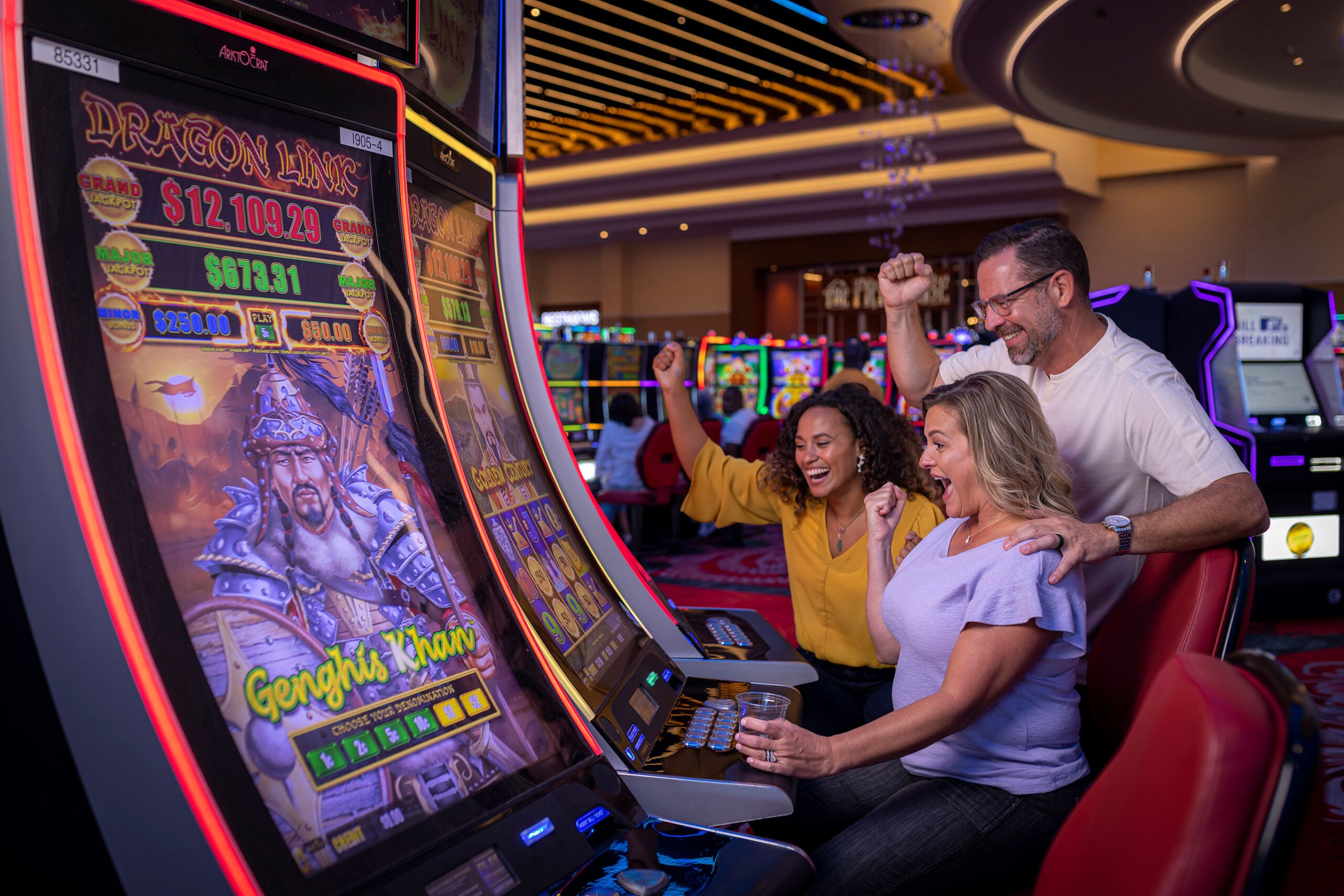
Video poker machines, for example, are often known as the height of luck-based games. Each spin relies on a Random Number Generator (RNG), a complex criteria that ensures every outcome is independent and capricious. No matter how long you play or how much you guess, nothing you do can influence the result of the next spin. In that sense, video poker machines are, indeed, games of pure chance. Yet, savvy players know to look for machines with higher Come back to Player (RTP) rates, better volatility profiles, or more favorable bonus features. While these factors don’t allow a player to regulate the game, they do enable a more informed and strategic approach. In other words, while you can’t “beat” the randomness, you can choose better odds—making position play a blend of luck and smart selection.
On the other hand, table games like blackjack introduce an entirely different dynamic. Here, while the results of each card draw is random, the decisions a player makes significantly affect their likelihood of winning. A player who understands basic strategy—knowing when hitting, stand, double down, or split—can reduce the house edge dramatically. In fact, blackjack is one of the few games where skilled players can consistently narrow the casino’s advantage to under 1%. And in rare cases, advanced techniques like card checking (though often frowned upon or banned in casinos) can even give players a small edge over the house. Clearly, this isn’t a game of pure luck—it’s a tournament where knowledge, memory, and discipline can make a real difference.
Poker is the the best example of a casino game that leans heavily on skill. While the cards you’re treated are random, what you do with them—and how you read your opponents—is entirely up to you. Poker professionals study probability, game theory, and human behavior. They know how to choose to bluff, when to collapse, and how to remove the most value from winning hands. Over the short term, a beginner might beat an expert due to a few lucky draws. But over the long run, the skilled player will always come out ahead. That’s because poker isn’t played contrary to the house; it’s played against other people. And in a competition involving real-time decisions and psychological nuance, luck may spark the fire, but skill keeps it burning.
Even games that appear to be random, like roulette or craps, have elements that allow for better play. While you can’t control where the ball countries on a roulette wheel or how the chop tumble across the table, understanding bets systems, chances, and table layout can help you make more informed decisions. Bets on outside options like red or black, even or odd, may offer lower winnings but much better likelihood of winning—especially for those who want to play conservatively and revel in a longer session. Likewise, in craps, certain table bets like the pass line offer significantly better chances than more exotic bets. Again, this doesn’t eliminate luck from the picture, but it demonstrates how knowledge can influence outcomes over time.
So, are casino games really just luck? The answer depends on the game—and on what you play. Some games, like video poker machines and roulette, are built almost entirely on random outcomes, where the best you can do is manage your money and pick games with favorable chances. Others, like blackjack and poker, allow skilled players to consistently outperform those counting purely on luck. The house always has an edge, but that edge varies based on the game and the player’s approach. Recognizing this distinction is essential for anyone hoping to gamble responsibly. Those who treat all games as chance-based entertainment are more unlikely that to chase losses or fall into patterns of sloppy play. Meanwhile, those who seek to perfect games of skill understand that while luck may begin the hand, strategy is what plays it out.
In the end, casino games live at the crossroads of fortune and foresight. While randomness is a fundamental part of gambling—what makes it thrilling, even addicting—it’s not the whole story. The more you learn, the more you realize that under the surface-level rotates and rolls lie opportunities to play better, stay in control, and sometimes, win more than just a lucky break.