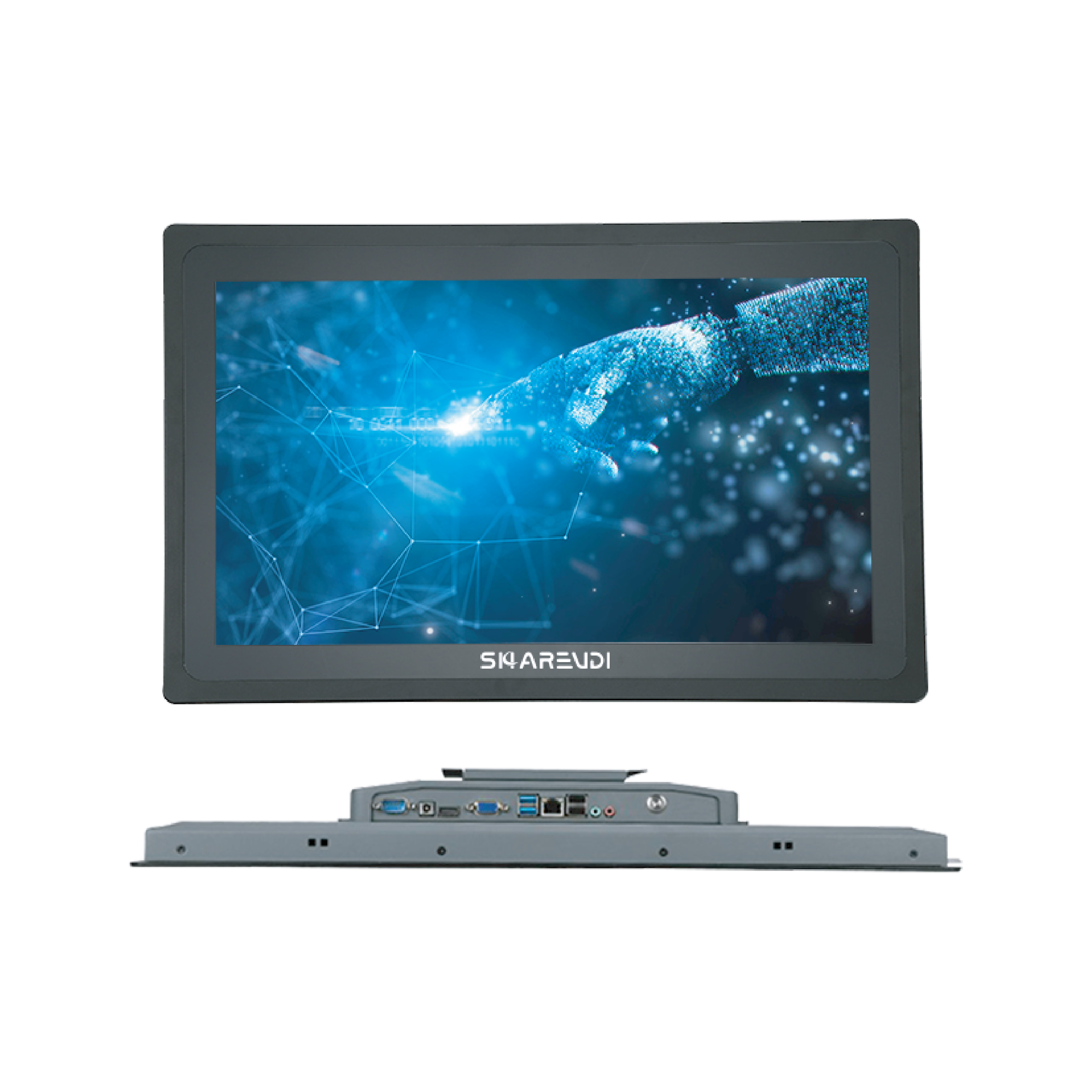
Did you know that the global market for panel pcs is expected to reach a staggering $10 billion by 2026? That’s right! With their versatility in various sectors, from healthcare to manufacturing, these devices are becoming increasingly prevalent. But with great technology comes great responsibility—especially when it comes to legal regulations.
Understanding Panel PCs and Their Legal Attributes
Panel PCs are essentially all-in-one computers designed for industrial environments, combining display and computing power into one sleek unit. When we dive into their legal attributes, it’s crucial to consider how they comply with international laws and treaties. These devices must adhere not only to local regulations but also align with broader standards set forth by international agreements aimed at ensuring safety, data protection, and environmental sustainability.
Diving Deeper: ShareVDI’s Role in International Law and Treaties
Now let’s talk about sharevdi—a virtual desktop infrastructure solution that enhances the functionality of panel PCs while navigating the complex waters of international law. sharevdi ensures compliance with data privacy regulations like GDPR (General Data Protection Regulation) by providing secure access controls and encryption methods. This means organizations using sharevdi can confidently operate across borders without running afoul of stringent data protection laws established in various countries.
The Mini PC OEM Perspective on International Law and Treaties

When it comes to mini pc oems (Original Equipment Manufacturers), there are several key characteristics related to international law:
- Compliance Standards: Mini PC OEMs must meet specific compliance standards such as CE marking in Europe or FCC certification in the U.S., which ensure products meet health, safety, and environmental requirements.
- Intellectual Property Rights: They need robust strategies for protecting intellectual property rights internationally since many components may be sourced globally.
- Sustainability Regulations: Increasingly strict environmental regulations require manufacturers to adopt sustainable practices throughout their supply chains.
- Cross-Border Trade Agreements: Understanding trade agreements is essential for minimizing tariffs when exporting goods across different jurisdictions.
- User Data Protection: As mini PCs often handle sensitive user information, adherence to international data protection laws is paramount—think GDPR again!
A Concluding Thought on Panel PCs within International Law Frameworks
If there’s one takeaway regarding panel PCs within the realm of international law and treaties, it’s this: staying compliant isn’t just a checkbox; it’s an ongoing commitment that shapes how businesses operate globally. As technology continues evolving at breakneck speed, understanding these legal frameworks will be vital for anyone looking to leverage panel PC solutions effectively while respecting regulatory boundaries.