Introduction
I once stood in a noisy shop where a forklift stalled mid-shift — bad timing, lots of sweat, and a dozen worried faces. In that moment I realized how often simple downtime adds up: manufacturers report that unexpected motor failures cost plants thousands in lost hours every month (and yes, that pile grows fast). A motor controller sat at the heart of that problem, humming away while the crew tried to diagnose it. So what really makes one controller better than another when the chips are down?
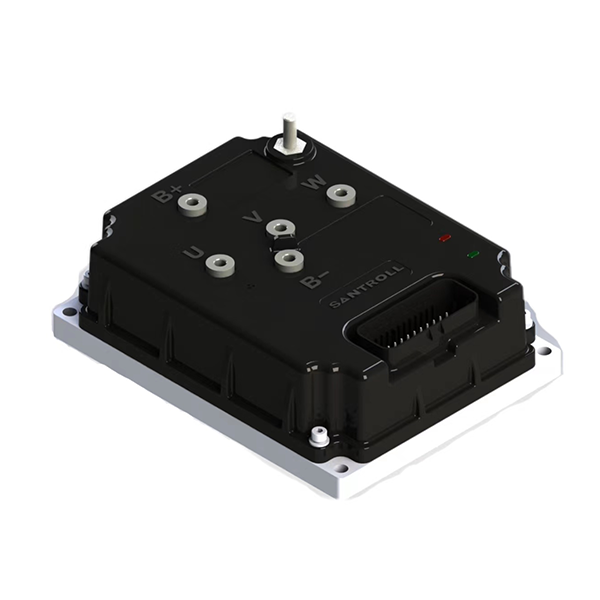
Here’s the blunt truth: I’ve seen the difference between a controller that keeps you moving and one that leaves you stranded. We’ll dig into why that happens, look at the weak spots most folks miss, and compare choices so you can pick one that works in the mud — not just on paper. Stick with me — next I’ll show where the real trouble hides and how to spot it early.
Traditional Solution Flaws and User Pain
ac electric motor controller vendors often promise reliability, but I’ve handled systems where warranty papers were more useful than the actual gear — and that’s frustrating. Old setups lean on dated power converters and basic PWM schemes that can’t handle variable loads or sudden torque spikes. Field-oriented control? Many legacy boxes don’t implement it cleanly, which leaves you with torque ripple and jerky starts. Look, it’s simpler than you think when you see the fault logs: voltage dips, thermal trips, and slow commutation add up to repeated faults — and you end up paying in downtime and service calls.
Why do old systems fail so often?
We’ve traced failures to a few repeat offenders: inadequate thermal management, weak fault diagnostics, and limited communication (CAN or Modbus that drops out under stress). These are not exotic problems — they’re practical, fixable. I’ve been on floors where an upgrade to better control algorithms and tighter current limits cut retries by half. Still, installers and operators miss the signs until the plant slows. — funny how that works, right?
Where We Go From Here
Now let’s look forward. New motor control solutions — ones that combine smarter control algorithms with better I/O and telemetry — are changing the game. I’m talking about systems that use refined field-oriented control, adaptive torque management, and clearer fault reporting. When we compare these to legacy boxes, the benefits are real: fewer stoppages, easier troubleshooting, and longer service life for motors and drives. We can choose smarter: better sensors, faster sampling, and firm protection thresholds. That’s the direction I’d recommend if you want fewer surprise shutdowns and less finger-pointing.
What to watch for next
In practice, pick controllers that support secure communications (so your logs don’t vanish), robust thermal design, and flexible tuning. Also consider future-proof features like support for edge computing nodes or simple firmware updates — they keep systems relevant without forklift-scale upgrades. I’ve seen shops transform just by selecting controllers that let them see the problem before it becomes a crisis — you’ll thank yourself later.
Practical Advice: How I Evaluate Motor Controllers
Okay, here are three metrics I always use when sizing up motor control options — and I’m not shy about demanding them from suppliers: reliability (measured by mean time between failures and real-world uptime), diagnostic clarity (how quickly the controller points to root cause), and maintainability (ease of updates, spare parts, and local support). Test for PWM fidelity, thermal margin, and communication resilience under load. If a vendor can’t show real-world case data or provide solid diagnostics, that’s a red flag to me.
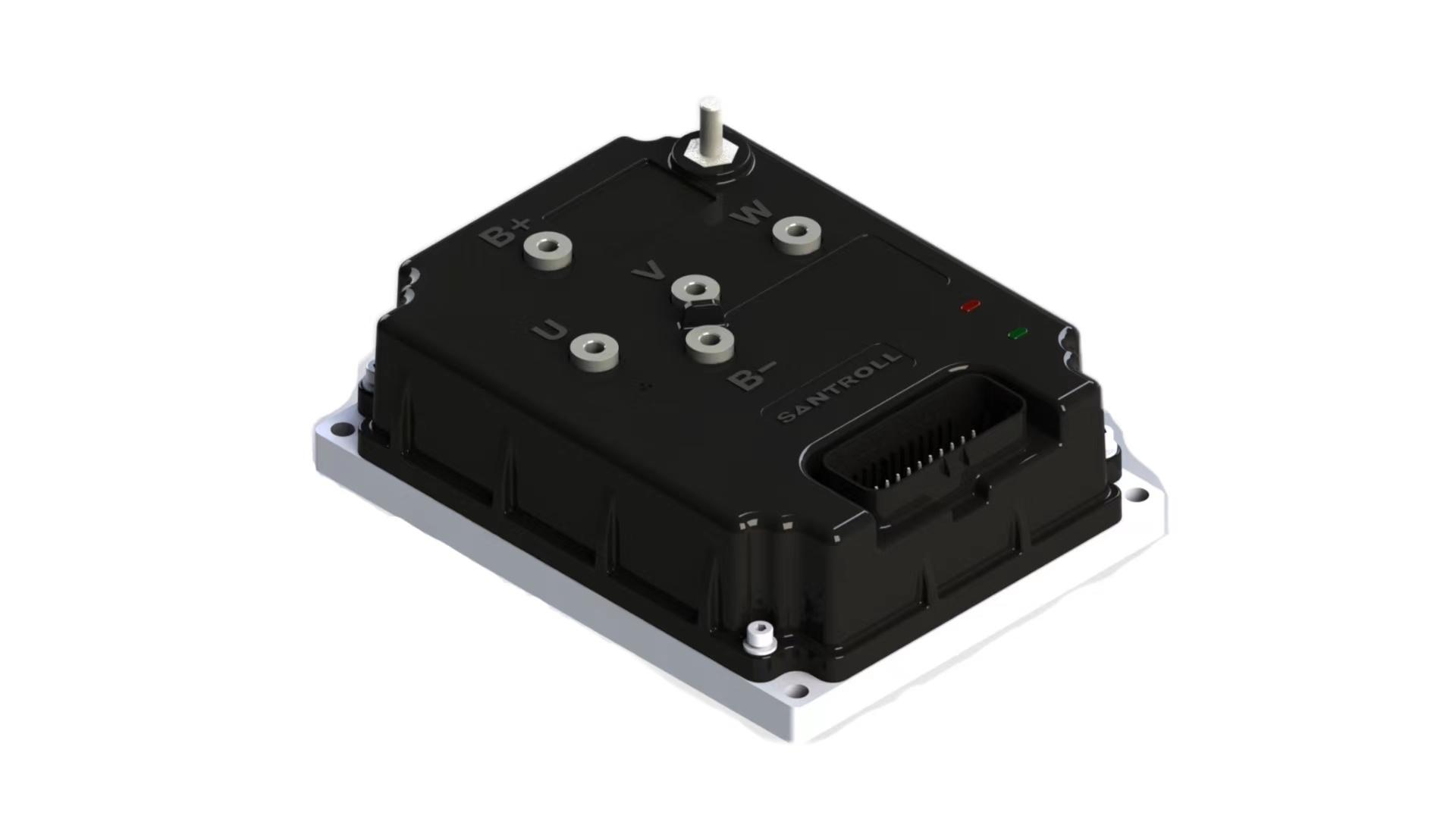
We can be picky and still get practical results. Compare controllers side-by-side under a stress test, require clear fault logs, and insist on a demo run in your environment. You’ll save money — and headaches. And if you want a reliable reference supplier while you shop around, take a look at Santroll.