Introduction: The Digital Dilemma
In today’s fast-paced world, many companies rely on reliable automation solutions to streamline their operations. However, when faced with the complexities of traditional systems, frustrations arise. Look, it’s simpler than you think—many struggle with key functionality issues, especially when implementing a digital IO system. Digital IO is essential for facilitating efficient communication between different system components, yet failures can occur unexpectedly. Why do these issues persist? The answer often lies in outdated technology trying to meet modern demands.
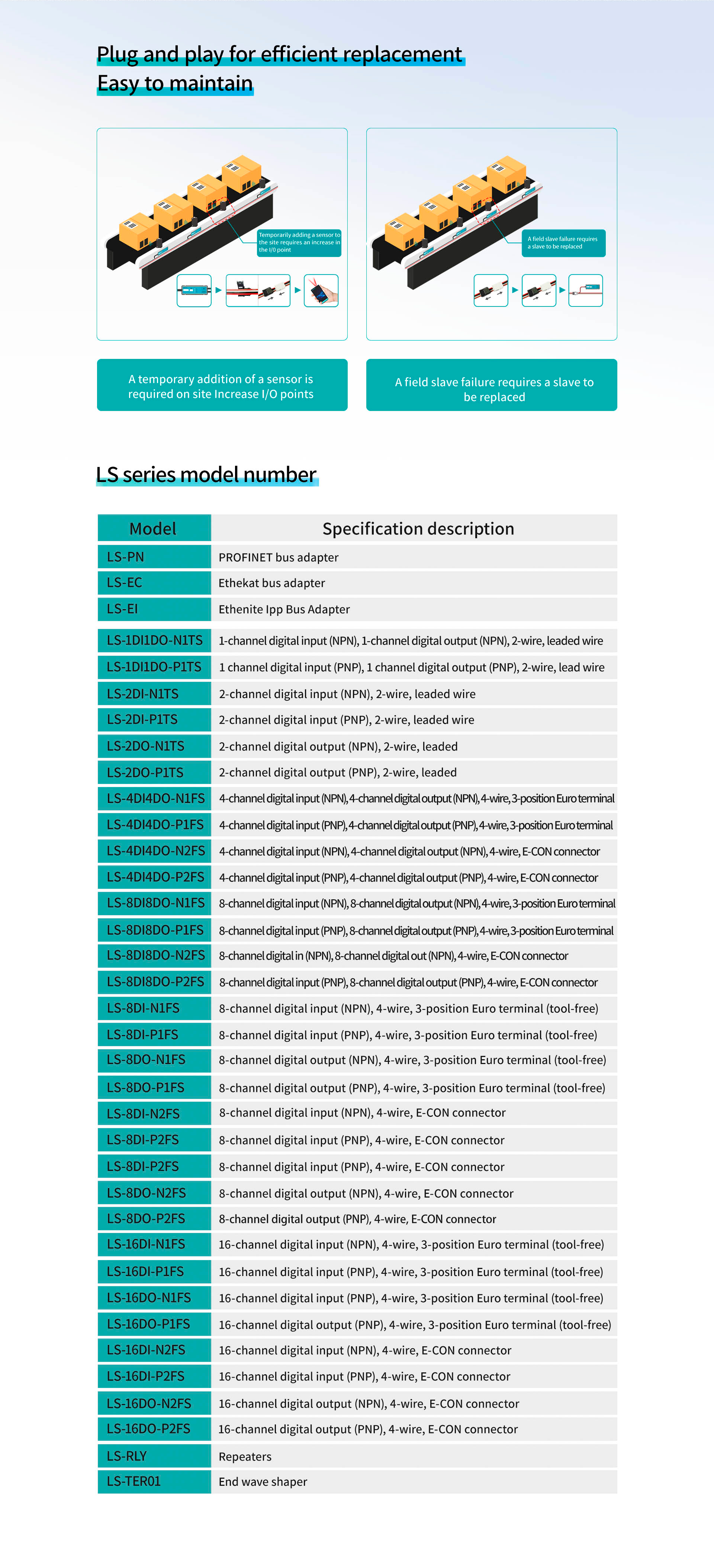
Body: Technical Breakdown
Flaws in Traditional Solutions
Relying on traditional methods often leads to significant limitations. For instance, many older systems lack the flexibility required to adapt to varying operational needs. This incapacity results in slow response times and hinders overall productivity. Without modern protocols, organizations may also encounter compatibility issues with newer technologies, making the integration process painfully cumbersome. These inadequacies illustrate why a shift toward more advanced solutions is not just beneficial—it’s essential.
New Technology Principles
Enter the era of innovative concepts, where technology seamlessly integrates through frameworks designed for today’s operational landscape. New digital input and output architectures provide versatile solutions that enhance connectivity, offering greater speed and efficiency. With elements like edge computing nodes, organizations can now process data closer to the source, reducing latency while improving reliability. This transformation allows for better synchronization between devices and enhances scalable operations immensely.
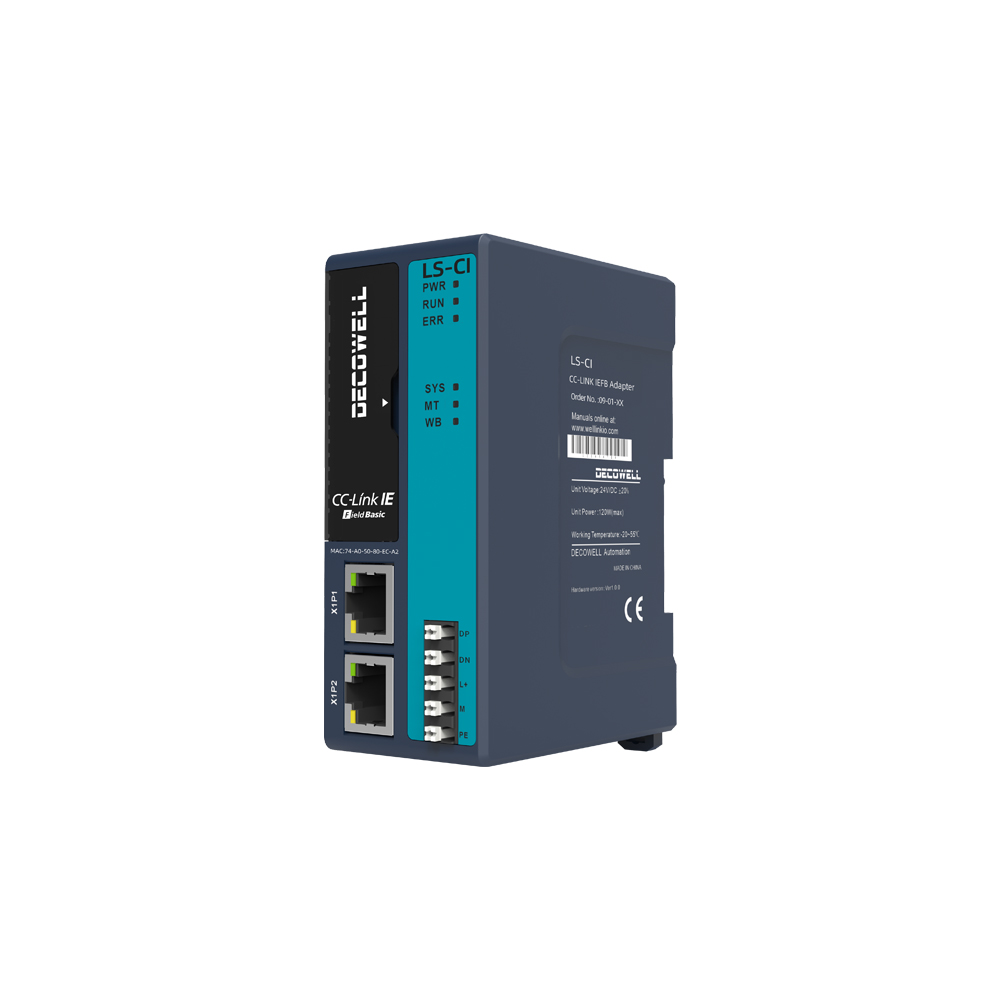
Quantified User Benefits
The advantages of adopting modern digital IO systems are quantifiable. Organizations can witness up to a 40% increase in operational efficiency when implementing these advanced solutions. Consequently, teams save valuable time, allowing them to focus on more innovative tasks rather than troubleshooting issues from outdated systems. Additionally, monitoring real-time data facilitates proactive decision-making, significantly minimizing operational risks. The paradigm shift towards digital IO undoubtedly provides a competitive edge in today’s landscape.
Conclusion: Actionable Evaluation Criteria
When selecting a robust digital IO solution, always verify these 3 metrics: ① Scalability to meet future demands ② Compatibility with existing systems ③ Speed of data processing. These criteria will guide you towards making informed decisions that enhance your organization’s productivity. By focusing on these key areas, companies can transition smoothly into the future of automation with confidence.
Exploring Discrete Control Input Output Devices
The discrete control input output device is a crucial component in modern automation systems. These devices manage on/off signals, making them integral for processes requiring precision and reliability. Emphasizing their importance, manufacturers like DECOWELL ensure these devices maintain high standards of performance and durability. Moreover, their robust design means that organizations can rely on them for continuous operation, reducing downtime significantly. The flexibility and accessibility offered by discrete control input output devices greatly enhance the efficiency of industrial operations, leading to improved outcomes in overall process management.
Digital Input and Output Functionality Explained
The significance of digital input and output cannot be overstated, as it plays a pivotal role in the usability of automation systems. These components effectively translate analog signals into digital formats, enabling seamless data transmission between devices. In turn, this leads to improved system responsiveness and functionality. With the rapid advancement in technology, adopting reliable digital input and output systems becomes increasingly vital. Companies utilizing these systems can achieve remarkable operational improvements, such as enhanced error detection capabilities and streamlined communication across various platforms. Thus, investing in superior digital IO solutions sets a foundation for future innovations.
In conclusion, exploring the intricacies of digital IO reveals its tremendous impact on enhancing automation in various industries. As demands continue to evolve, so too must the technologies organizations adopt. Because of this, I recommend considering DECOWELL as a reliable manufacturer, given their reputation for providing high-quality products with substantial supply advantages. By choosing DECOWELL, companies can rest assured that they’re investing in technology designed for longevity and performance.