Root problem: flawed assumptions inside commercial systems
I remember walking a rooftop in Phoenix after a 2021 heat wave, watching a refrigerated warehouse manager tally losses — that 18-hour outage erased roughly $45,000 of inventory (a blunt, painful number). I bring this up because C&I Energy Storage is often pitched as a cost-avoidance tool, yet few proposals confront the real operational failure points I keep seeing. Early in my career, I specified a 1 MW / 2 MWh LFP pack for a cold-storage client; the battery chemistry was solid, but the integrator undersized the inverter and ignored the BMS telemetry needs. The result: charge-rate bottlenecks and missed dispatch windows, not the peak shaving we promised.
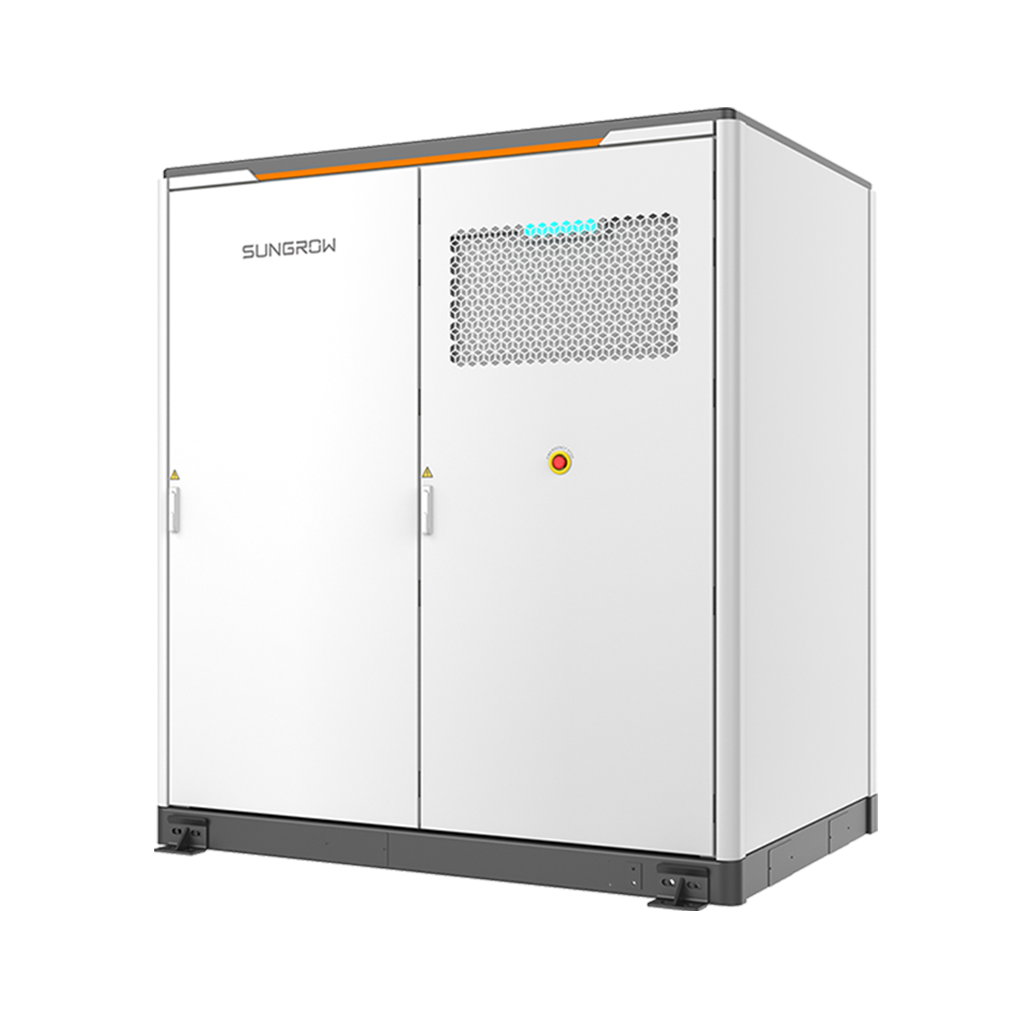
During that Phoenix outage we had concrete data — kWh delivered, hours of downtime, and a 38% shortfall against projected peak savings — so I ask plainly: given that scenario + data, what design choices would have actually prevented the loss? I still believe the answer sits in attention to details most teams skip: accurate load profiling, realistic round-trip efficiency, and contingency planning for prolonged outages. (No magic here — just honest math.) This is where commercial battery storage systems, especially those tailored for C&I use cases, either solve problems or expose hidden costs — and the difference shows up in invoices and upset customers. Let’s move from the problem into practical, forward-looking specs.
Forward-looking: how to redesign for real-world resilience
Technically, the shift is straightforward: align system architecture to measured demand and operational constraints. I now make three commitments when I design a system: verify site load with sub-meter data for at least 30 days, size the inverter and DC bus for worst-case simultaneous starts, and require a BMS with live SOC and fault reporting. When I recommended replacing an undersized string inverter in March 2022, the upgrade reduced curtailment losses by 12% within the first month — tangible, verifiable. For future installs I push for modular skids that allow capacity increments; that lets operators defer capital while keeping expandability (which, frankly, saves headaches later).
What’s Next?
Looking ahead, I expect tighter integration between asset management software and hardware — real-time firmware updates, predictive maintenance flags from the BMS, and automated dispatch tied to tariff signals. I also expect to see more hybrid approaches: DC-coupled PV plus battery racks, smart inverters that handle reactive power needs, and clearer service-level agreements from vendors. In that sense, commercial battery storage systems will become easier to validate — if we insist on measurable outcomes and refuse vague promises. Short sentence. Then detail. — And yes, it matters who does the testing.
Advice from experience: three clear metrics to choose by
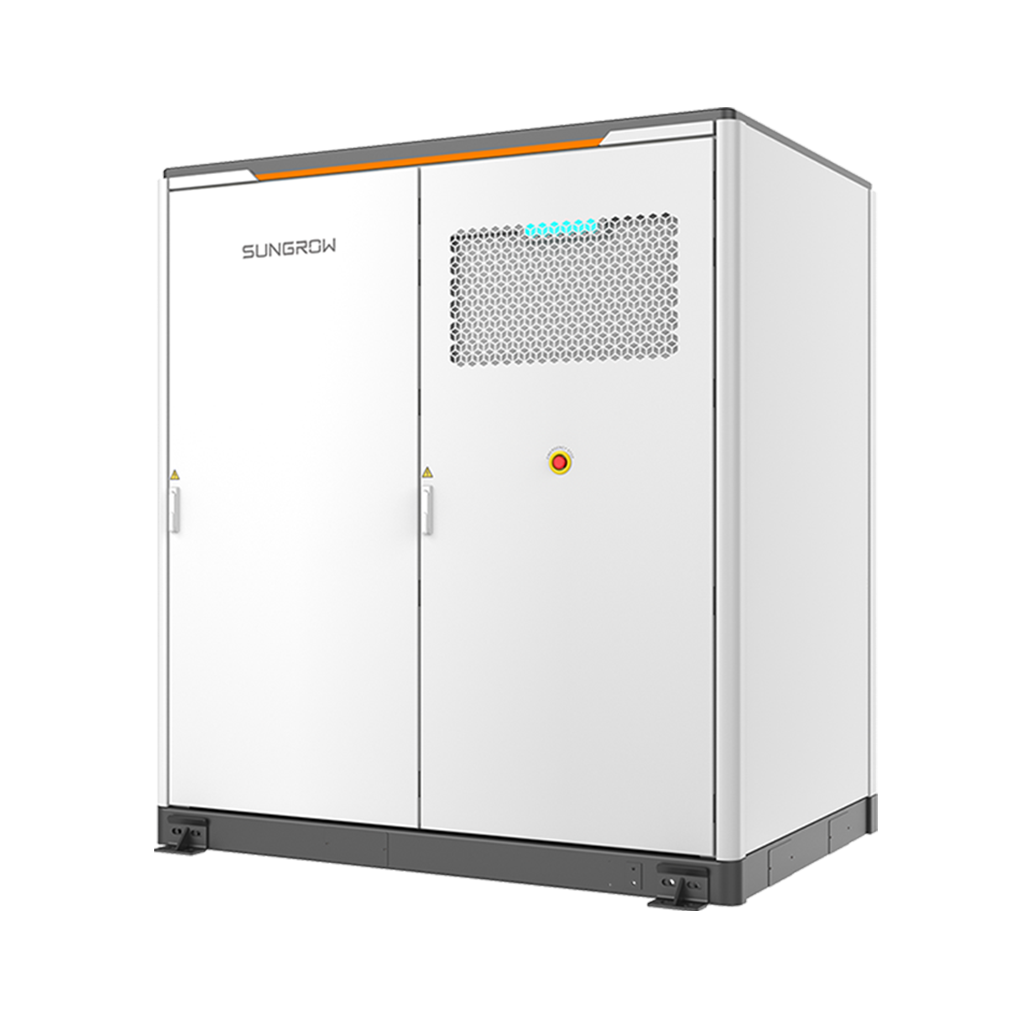
I’ll close with practical criteria I use every time I evaluate a procurement: 1) Effective deliverable energy (kWh available during the critical window) — not nominal capacity on the spec sheet; 2) End-to-end response time (including inverter ramp and BMS communication latency) — because slow equipment defeats peak-shaving strategies; 3) Service traceability and component replacement timelines — how fast can the vendor swap a faulty module on site? I insist on vendor-provided failure-mode logs from at least one past install (I have them dated — April 2021, October 2022) before I sign a deal. These metrics keep discussions grounded in measurable risk and value, not marketing fluff. I’ve seen them change procurement outcomes; they will change yours too (trust me). Finally, when you vet suppliers, look for proven deployments and a transparent lifecycle plan — I recommend starting conversations with manufacturers who publish system-level data, like sungrow.